
The world outside the aircraft door offers an incredible sense of freedom and adventure—but with that comes the responsibility of ensuring a safe return to the ground. It follows that one of the most important aspects of the sport (that’s often, somewhat strangely, overlooked) is the phenomenon of the “off landing”—that awkward moment when a skydiver lands outside of the designated drop zone.
Make no mistake: off landings can happen to anyone, regardless of experience level and discipline. Crucial for every skydiver are the skills of preventing off landings when possible, preparing for them as and when they do occur, and handling them effectively. (That said: my personal apple cart, as Wingsuit TEA, is firmly within the realm of high-glide flight, and so that will certainly colour the wisdom I share here.)
How to Keep It Inside
While off landings can be a part of the sport—perhaps especially wingsuiting, given the dynamics involved—careful preparation can significantly reduce the likelihood of landing off. Here’s how you can stack the deck in your favour.
- Know your terrain. When you visit a new DZ, pay close attention to the DZ brief. Get familiar with the local area. Identify safe landing spots—and recognise potential hazards like buildings, trees, power lines, areas of water…anything that you recognise as being unsafe. This awareness will help you to recognise what you’re looking at on the ground so you can make informed decisions in the air.
- Understand wind patterns and jump runs. Achieve a thorough understanding of the jump run and wind conditions. It’s essential. Use resources like Form 314 to assess the wind directions at different altitudes to determine the safest direction for deployment—and to keep yourself on-course.
- Get weather-wise. Commit to making informed decisions, based on the weather. One example: if visibility is poor due to clouds, you should seriously consider postponing your jump. Even a small gap in the clouds can be deceiving, especially when navigating back to the DZ. Just because the DZ is putting loads up does not mean that it’s a good idea to get on the plane: your discipline, your skills (and your willingness to spend money on an uncomfortable “survival jump”) all figure in here.
- Mind your load dynamics. Stay mindful of the other jumpers (and disciplines) on the load with you. Tandem jumps might take longer to exit, affecting your spot—and, potentially, your flight plan. Adjust your strategy to accommodate these variables, ensuring everyone has a safe return path.
- Coordinate your group. Group size, formation position and individual experience levels matter, no matter what your discipline. Larger groups might necessitate a multi-stage break-off, which could place some jumpers in challenging spots for returning to the DZ. Adjust the break-off plan—or formation—to solve for the complications presented by less-experienced flyers, positioning them where it’s easier for them to safely return to the DZ.
- Check. Your. Spot! This may seem a little—foundational?—but repetition never spoiled the prayer, and this 101-level skill sends parachutes into hedges every single day. Before exiting the plane, always check your spot, and make sure you know where the Primary Landing Area (PLA) is in relation to the aircraft. It’s surprising how often jumpers exit without a clear idea of where the DZ or PLA is located. Familiarising yourself with your spot helps ensure you can navigate back safely and avoid off landings.
- Deploy at a safe altitude. If you’re new—to skydiving, to the dropzone, to your equipment or to the discipline you’re in—opt for a higher deployment altitude. This gives you more time to handle any malfunctions without veering off-course. Lower deployments reduce reaction time, and increase the risk of not making it back to the DZ (among other unsavoury consequences).
- Consider advanced navigation equipment. Technology like Flysight’s Flyblind capability (or AON2’s navigation feature) can be invaluable for maintaining orientation and comfort during flight, especially if you’re in a wingsuit. While not essential, these tools can offer a significant advantage—providing real-time feedback on your position and helping you make better decisions if you get disoriented.
- Be prepared for the unexpected. Always carry a mobile phone with the DZ’s contact number saved. Have a plan in place for retrieval if you land off—such as arranging a pickup with a friend. Communicate with the DZ to inform them of your safe landing, but take responsibility for your return.
What to Do When It’s Going Wrong
Despite the best preparations, there are times when an off landing is unavoidable. When you look down and suddenly realise you’re “going in the Hudson,” here’s how to handle it effectively.
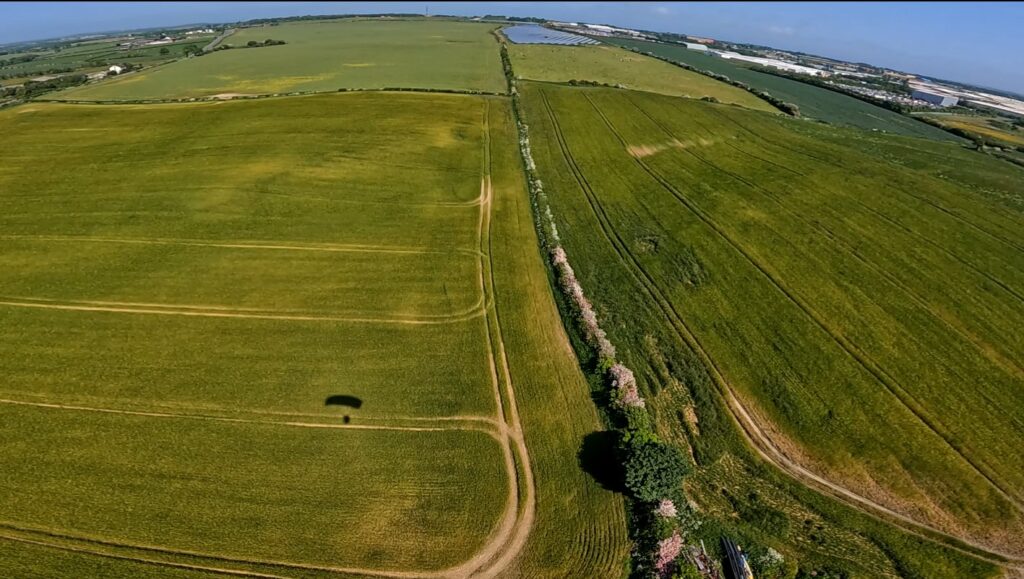
- Prioritise safety. Your primary goal is to land safely—not, necessarily, close to the DZ. If you’re unsure about clearing obstacles like forests, towns, or rivers, choose a closer, safer landing area. Aim for large, open spaces to reduce landing risks.
- Consider the winds. If possible, determine the wind direction to better plan your landing. Landing into the wind is ideal for a smoother descent, of course, but if you can’t ascertain the wind direction from the movement of flags, plants, smoke and/or dust, simply select a landing direction and commit to it. Scan for obstacles and adjust your landing approach as needed, aiming for the centre of a field and avoiding landing near tall objects (like trees) as you could be impacted by turbulence.
- Communicate with the DZ. After landing safely, immediately contact the DZ to let them know you’re safe. This is a crucial safety step that ensures the DZ is aware of your status and can respond appropriately if needed.
- Arrange your return. Take the initiative to organise your return to the DZ, whether by calling a taxi, booking an Uber or contacting a friend. This approach shows respect for DZ staff time and effort. If you’re unable to arrange your own transport, it’s okay to ask the DZ for assistance—but it’s always better to have a backup plan.
Embrace the Adventure with Caution
Off landings are a part of the skydiving experience. Sure, they can be hairy, but—with careful preparation and awareness—you can minimise their occurrence and handle the situation safely. By familiarising yourself with the local terrain, understanding the wind patterns, planning your jump carefully, and preparing for the unexpected, you can ensure a safer and more enjoyable wingsuit flying adventure.
Remember, safety always comes first—every jump, every time.