
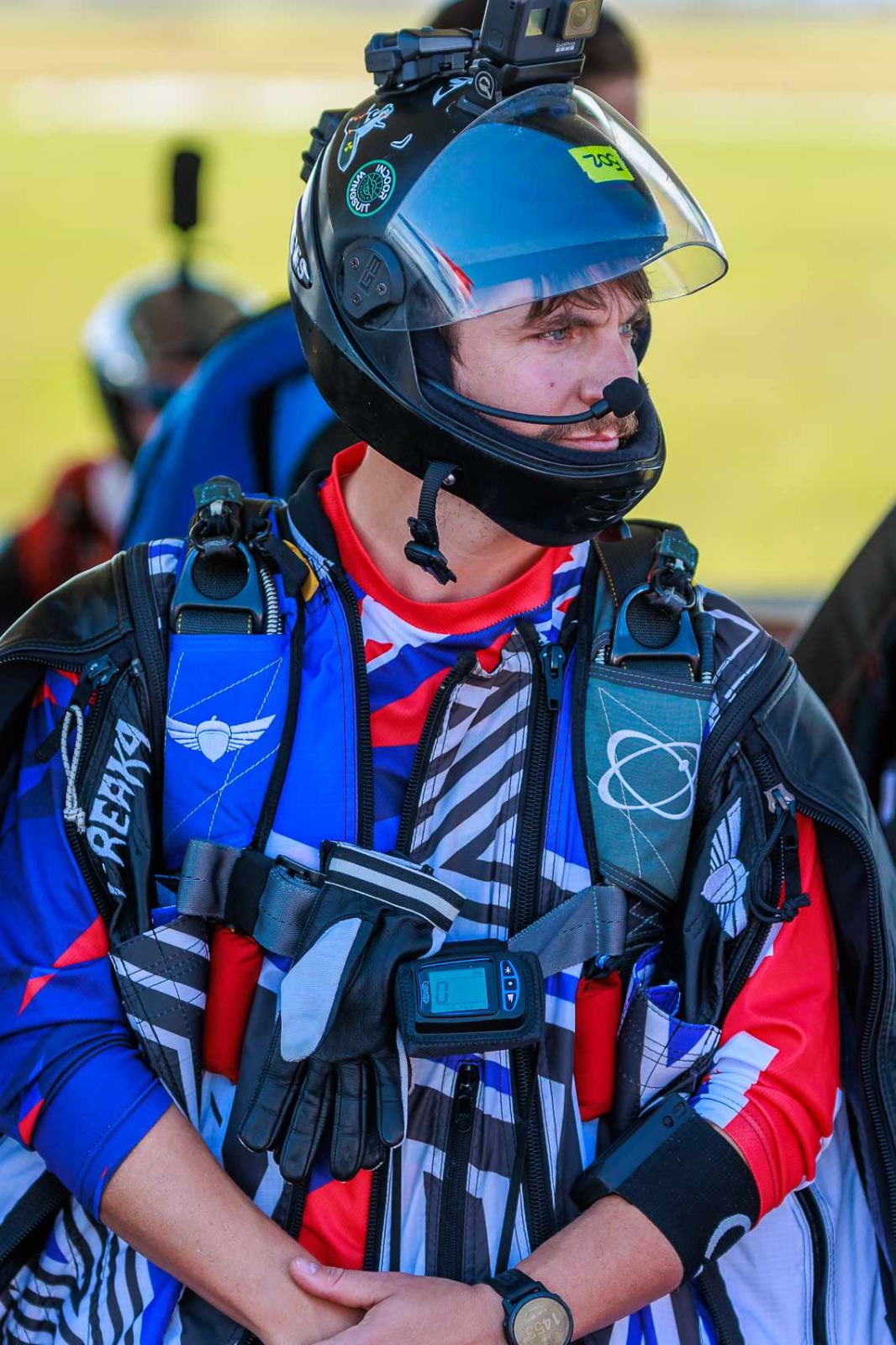
The question of whether to invest in a Wingsuit CYPRES isn’t as straightforward as it might seem. Like many, I initially thought, “I’m a wingsuiter—so I need a Wingsuit CYPRES.” But after speaking with experienced flyers and the team at CYPRES (special shout-out to Joel for the insights), I’ve come to realise that it’s not that simple.
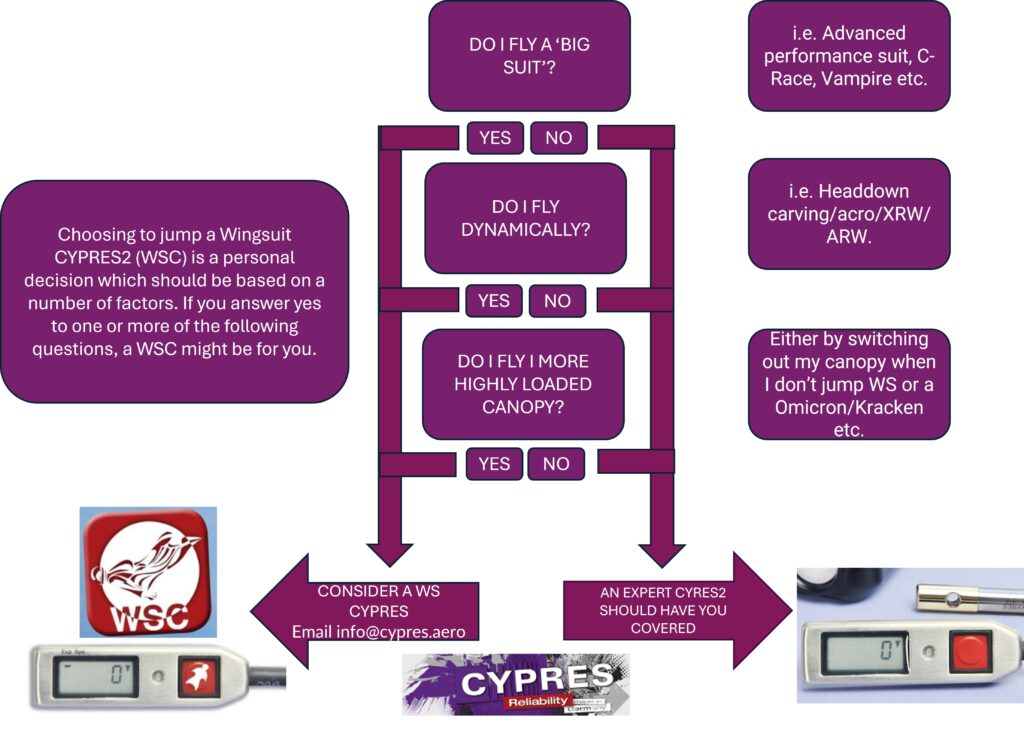
There are a few key factors worth considering before making the switch from an Expert CYPRES to a Wingsuit CYPRES. To help, we’ve put together a flowchart (linked below) and an educational breakdown to guide your decision.
1. Suit Size Matters
Are you flying a large surface area suit—something bigger than a Freak, like a C-Race or a Vampire? If so, your fall rate could be slow enough to pass through the Expert CYPRES firing window without it activating. There are known cases where people have reviewed their data and found they were flying slower than the Expert firing speed.
Is this likely to happen consistently? Maybe not. Is it possible? Absolutely. It’s something to think about, especially if you’re regularly flying big performance suits.
2. Are You Flying Dynamically?
This isn’t about casual two-ways or small flocks. If your flying involves dynamic elements like head-down transitions, carving, acro, XRW, or even AWF, then the risk of mid-air collision or contact with the aircraft increases. So does the risk of going unconscious in the air.
As I ably demonstrate in the clip below, collisions happen. Although humorous (in retrospect) if you’re unconscious at pull time, the type of CYPRES in your rig could be critical.
3. Your Canopy and Wing Loading
Even though most of us aren’t flying sub-100sqft cross-braced swoop machines after our wingsuit jumps (hopefully!), canopy choice still matters.
Modern performance wingsuit-friendly canopies—like the Kraken or the Squirrel Omicron—are getting sportier. If you’re loading your canopy on the higher side, the speed difference between your wingsuit flight and your canopy flight might decrease.
That matters. The Wingsuit CYPRES relies on recognising that speed shift between wingsuit and canopy flight. A smaller differential can make this less obvious, potentially leading to issues.
The Real Trade-Off
Ultimately, a Wingsuit CYPRES is designed to mitigate a low-probability risk: the possibility that you’re unconscious and flying slow enough that an Expert CYPRES wouldn’t fire. But in choosing one, you’re also accepting a different risk—that of a two-out scenario, lower to the ground.
Which risk are you more comfortable with?
It’s not a clear-cut decision, and it shouldn’t be. If none of the factors above apply to you, maybe a Wingsuit CYPRES isn’t the right fit just yet. If you answer yes to one of the boxes on the flowchart, give it thought. If you tick two or more, the case gets stronger.
CYPRES themselves are currently asking that you apply for a Wingsuit unit rather than just order one. They want to see considered reasoning from the flyer before issuing one. If you’ve got a good rationale, they’ll say yes—but don’t be surprised if they ask you a few questions first.
Final Thoughts
This isn’t about pushing one solution over another. It’s about encouraging informed decisions based on your flying style, gear, and risk profile. Feel free to reach out if you’ve got questions—I’m always happy to chat through it.

Images courtesy of Dave Picton