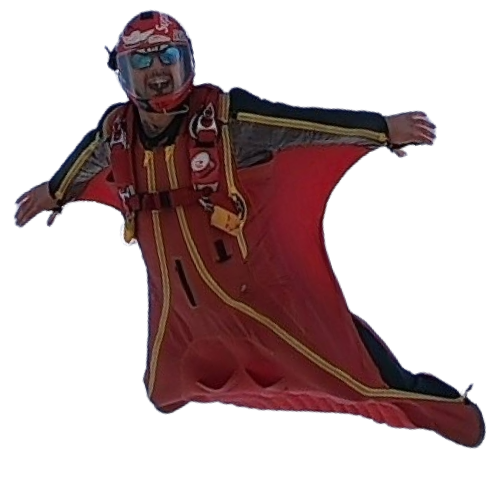
What is Wingsuiting?
Wingsuiting is the ability to fly your body horizontally at greatly enhanced speeds while substantially reducing your vertical fall rate.
By using a Wingsuit suit you are able to travel vast distances from your actual exit point and easily double or more your freefall time.
What is needed to start Wingsuiting?
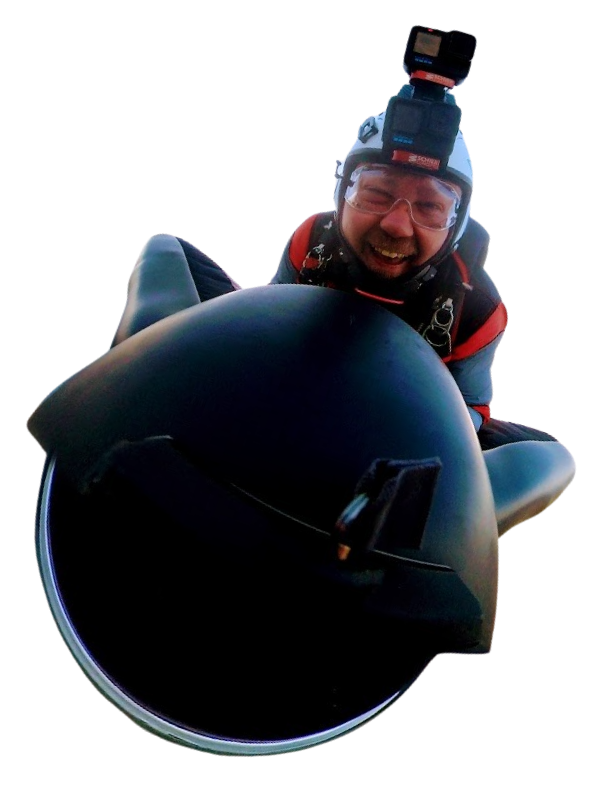
So you want to fly wingsuiting but not sure where to start. Well fi you want to fly a wingsuit, it’s essential to meet the requirements set out by British Skydiving. You will need to possess a ‘C’ license and either have 500 jumps or 200 jumps in 18 months.
What is needed to start Wingsuiting?
So you want to fly wingsuiting but not sure where to start. Well fi you want to fly a wingsuit, it’s essential to meet the requirements set out by British Skydiving. You will need to possess a ‘C’ license and either have 500 jumps or 200 jumps in 18 months.
Not quite there yet?
01
Level up your tracking skills
02
Try another discipline
03
Have fun
Recommended equipment for wingsuiting?
Rig
The rig must be secure in the same way you would expect a rig to be secure for free flying and must only have a BOC throwaway pilot chute with a kill line.

Canopy
You must be very familiar with your canopy especially when starting with wingsuiting, you want to be comfortable with the canopies characteristics and openings. A larger more docile canopy which is square and not elliptical is ideal but not essential.

Altimeters
Visual wrist or hand mounted altimeters work best. A chest mount altimeter may read up to 1000ft (300m) off because of the different airflow and speeds over the body.
What are some example beginner wingsuits?
There are a lot of great options out there to get you started.
Below are just some example beginner wingsuits that we have personally had experience with or have heard good things from other coaches about. When you get to point of getting your own, always consult your coach over what they would recommend for you.

PHOENIX FLY
- Shadow
- Phantom

INTRUDAIR
- Piranha

SQUIRREL
- Sprint
- Swift
What about the fit of the wingsuit?
Fit to the body
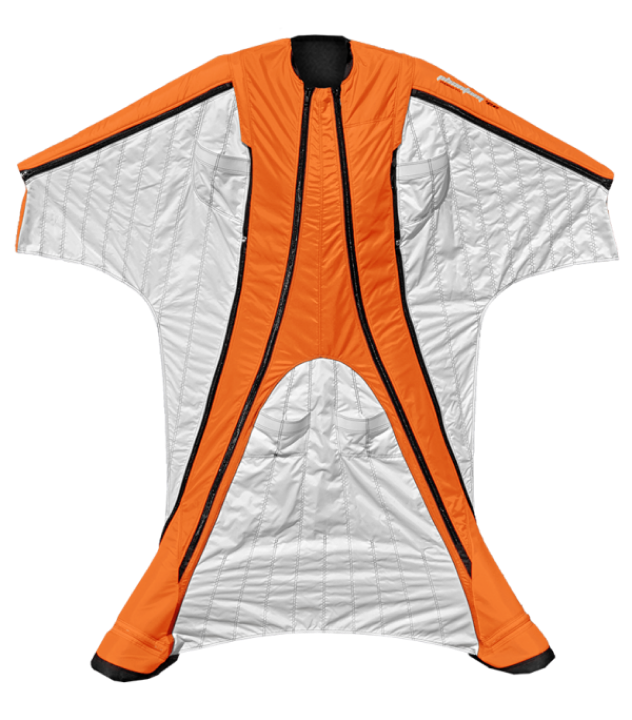
A suit that is too tight is uncomfortable and you run the risk of a zipper failing under the added pressure. A suit should not be so loose that the material flaps all over the place in flight.
01
Arms
02
Legs
03
04
Emergency Handles
05
Laterals
The laterals on the rig are the parts that go from just above the leg straps on the front of the harness to the container just around your hips. There should be some excess space above the lateral to allow movement.
Fit to the body
A suit that is too tight is uncomfortable and you run the risk of a zipper failing under the added pressure. A suit should not be so loose that the material flaps all over the place in flight.
01
01
Fit to the body
A suit that is too tight is uncomfortable and you run the risk of a zipper failing under the added pressure. A suit should not be so loose that the material flaps all over the place in flight.
Arms
02
02
Arms
Legs
03
03
Legs
05
Emergency Handles
06
Laterals
The laterals on the rig are the parts that go from just above the leg straps on the front of the harness to the container just around your hips. There should be some excess space above the lateral to allow movement.
Emergency Handles
04
04
Emergency Handles
Laterals
The laterals on the rig are the parts that go from just above the leg straps on the front of the harness to the container just around your hips. There should be some excess space above the lateral to allow movement.
05
05
Laterals
The laterals on the rig are the parts that go from just above the leg straps on the front of the harness to the container just around your hips. There should be some excess space above the lateral to allow movement.
I am ready to start wingsuiting!
If you think you meet everything above and want to get stuck in, the next steps are to find a coach and book your FFC (First Flight Course). Be sure to check out the British Skydiving wingsuit manual to better prepare yourself and then get in touch with your local DZ to find a coach or Get Started by finding a coach on our platform by clicking below.