
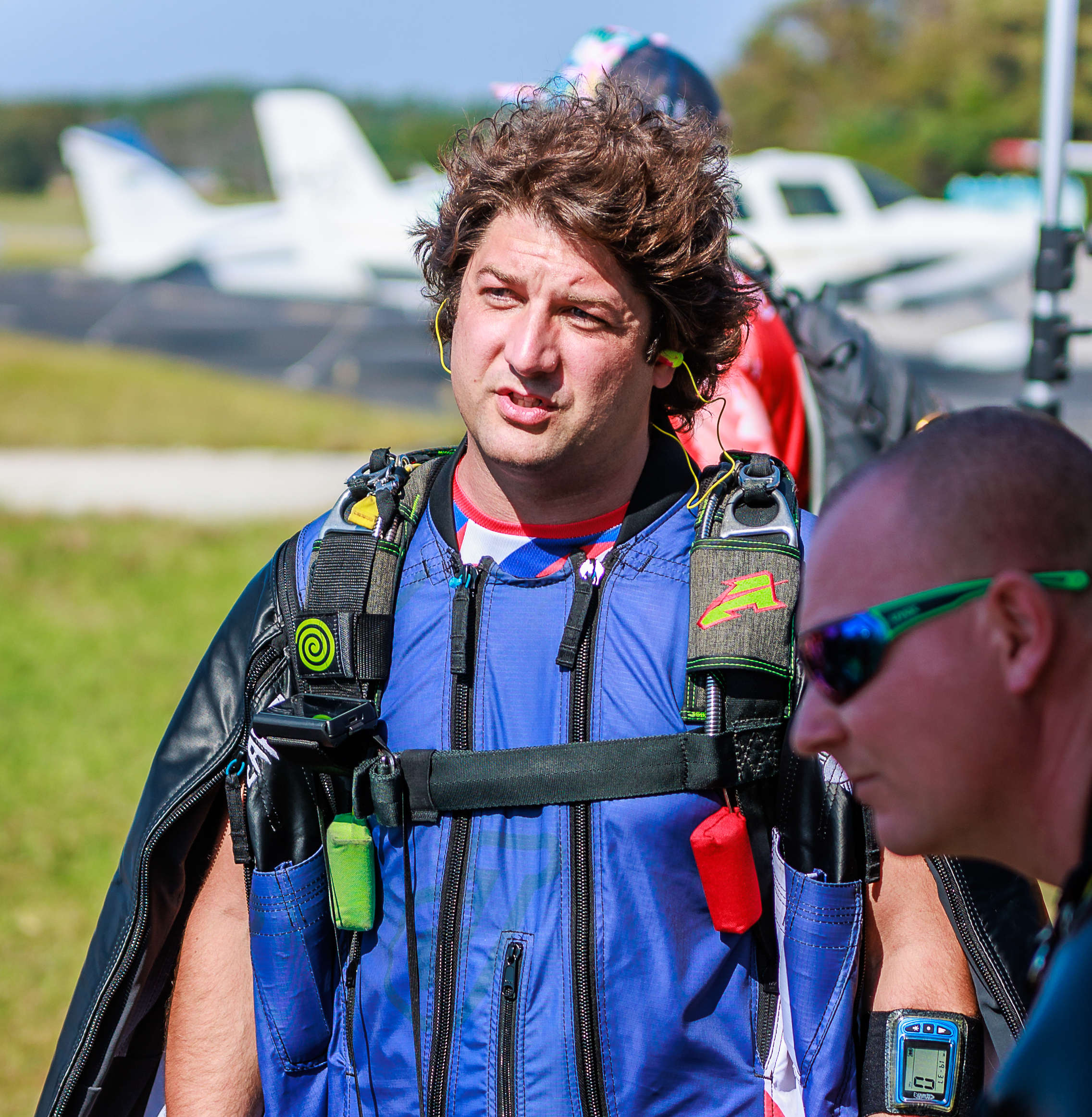
In the dynamic world of wingsuit flying, the ability to seamlessly transition between belly and back flying is a fundamental skill that enhances both safety and performance. These transitions, when executed correctly, allow pilots to maintain control, conserve energy, and navigate the skies with precision. This guide delves into the techniques and best practices for mastering wingsuit transitions.
Why Transitions Matter in Wingsuiting
Transitions aren’t just a stylistic choice; they’re a fundamental skill that unlocks greater aerodynamic awareness, expanded flight capabilities, and improved body control.
A smooth transition allows you to:
- Fly dynamically in formations, whether leading or following.
- Maintain control when adjusting to new body positions mid-flight.
- Enhance safety, ensuring you remain stable and in command.
- Reduce altitude loss, preventing unintended stalls or loss of energy.
A properly executed transition should feel like an effortless roll through the air, as opposed to a forced or jerky movement. With enough practice, you’ll feel as though the sky flows around you, rather than you forcing yourself through it.
Belly-to-Back Transition: Rolling With Control
The belly-to-back transition is the most common and generally the easiest to learn. The goal is to rotate smoothly without an aggressive push while keeping full control of your lift and speed.
Step-by-Step Execution
1. Set Up a Strong, Balanced Belly-Fly Position
- Keep your wings fully inflated and arms slightly wider than shoulder-width, ensuring a solid airframe.
- Maintain a neutral head position, looking straight ahead.
- Keep your legs straight and even, ensuring the suit’s airflow is clean and symmetrical.
2. Initiate the Roll
- Begin by deliberately collapsing one arm wing—bring your right hand toward your hip while keeping the left arm extended.
- Your legs remain straight, with even pressure applied to both booties to avoid an unintended corkscrew.
3. Commit to the Rotation
- As the collapsed wing reduces lift on one side, your body naturally starts to roll.
- Allow the momentum to carry you while guiding the movement gently with your core.
- As you pass through 90 degrees, begin to open the previously collapsed wing to prepare for back-flying.
4. Settle into a Stable Back-Fly
- Once on your back, slowly adjust the arm and leg positions to stabilise.
- Your head should remain neutral, resisting the urge to tilt forward or back.
- If you feel wobbly, focus on engaging your back muscles and keeping your chest slightly lifted to maintain control.
Back-to-Belly Transition: Reversing the Motion
Once comfortable transitioning to your back, reversing the motion into a belly-fly should become intuitive. However, many wingsuiters struggle with overcorrection, causing unnecessary altitude loss or instability.
Step-by-Step Execution
1. Establish a Solid Back-Fly Position
- Keep your arms wide and level, ensuring both wings remain evenly pressurised.
- Your legs should be straight, not bent at the knees, as improper leg positioning can induce unwanted spin.
- Look straight up rather than tucking your chin—this helps keep a neutral spine.
2. Initiate the Roll
- Just as in the belly-to-back transition, you will collapse one wing—this time by tucking an arm inwards (e.g., bringing your left hand to your stomach).
- The opposite arm remains extended, keeping lift on that side.
- The leg positioning remains unchanged, with both legs straight and firm.
3. Allow the Rotation to Happen
- Your body will naturally begin to roll as air resistance shifts.
- Resist the urge to “force” the turn—any excess movement can lead to unwanted overcorrections.
- As you reach the halfway point, open the collapsed wing to begin stabilising.
4. Transition to a Controlled Belly-Fly
- As soon as your chest begins to face downward, focus on extending both arms evenly to re-inflate the suit.
- Keep your legs engaged and level with the horizon.
- If done correctly, you should flow seamlessly into belly flight without any significant altitude drop.
Common Mistakes & How to Fix Them
While the concept of transitions is straightforward, several common errors can make them feel chaotic or unstable. Here’s what to watch out for:
1. Over-Rotating or “Flipping” Instead of Rolling
🚫 Mistake: Throwing the shoulders or aggressively forcing a transition. ✅ Fix: Use gentle, progressive movements. Collapsing a wing is usually enough—no need to muscle through it.
2. Poor Body Positioning
🚫 Mistake: Bending at the waist or tucking the knees. ✅ Fix: Keep your spine neutral and legs firmly extended to maintain a strong airframe.
3. Losing Speed or Altitude
🚫 Mistake: Letting transitions become “floaty” or unstable. ✅ Fix: Think about flying through the transition, not just flipping over.
Final Tips for Success
- Fly with a Buddy: Transitions are difficult to self-assess—flying with a friend or coach gives you a frame of reference. If you need a coach don’t forget to search our list of coaches here.
- Use Video for Feedback: Reviewing footage will highlight areas for improvement.
- Practice in Small Suits First: Larger wingsuits amplify minor mistakes, so start with low-volume suits to refine technique before progressing.